There are no items in your cart
Add More
Add More
| Item Details | Price | ||
|---|---|---|---|

Discover expert insights on AI in digital marketing—top tools, future trends, and tips for beginners. Learn how AI is shaping smarter, data-driven strategies.
{{DATE}}
Artificial Intelligence (AI) is changing the functioning of digital marketing. From customer segmentation to chatbots, AI is now central to most new strategies. But actually, what does this mean for marketers, content creators, and businesses? To get a sense of the practical impact, this blog features an interview with an AI marketing specialist who gives practical tips, handy tools, and what's coming next in terms of AI-powered marketing.
Digital marketing used to rely on intuition, experience, and hands-on A/B testing. But today, marketers can use AI tools to know their audiences with laser accuracy. In our conversation with an expert in AI marketing, it was shown how data-driven campaigns surpass conventional methods through a focus on real-time analysis, behavioral monitoring, and dynamic content optimization.
AI algorithms can detect patterns in customer behavior that might take human teams days or weeks to discover. This enables swift decision making and more impactful personalization at scale.
One of the more compelling arguments presented in the interview with a marketing AI professional was the pervasiveness of AI. It's not merely giant corporations or tech advanced startups embracing AI small businesses, education sites, healthcare institutions, and even neighborhood shops are incorporating AI products for marketing automation, customer care, and campaign improvement.
The Democratization of artificial intelligence is enabling marketers at all levels to leverage technology once deemed too costly or complicated.
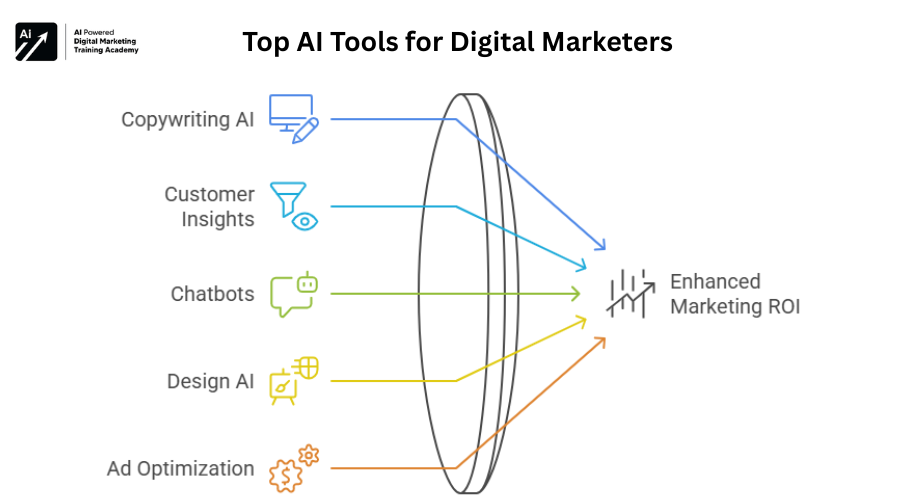
AI tools are no longer necessary evils in today's landscape they're now a must. While interviewing an AI marketing specialist, some top tools were mentioned:
Although AI can produce content and streamline workflows, it was underscored in the interview with an AI marketing professional that creativity remains non replaceable by humans. AI is perfect for processing repetitive and data intensive work, but only human marketers are capable of creating effective stories, emotionally charged campaigns, and values of the brand.
AI boosts productivity, yet strategic imagination, empathy, and creativity remain based on human competence.
Personalization is perhaps the most revolutionary use of AI. With machine learning models and access to large data sets, marketers are now able to:
AI doesn't merely enable you to respond it enables you to anticipate. Predictive analytics allows marketing teams to determine which users are most likely to convert, which type of content they like, and when they should reach out to them.
For instance, marketers can now create campaigns that adapt content by user intent, day and hour, device use, and even emotional state. This type of intelligence makes traditional marketing an intelligent, dynamic system that learns and improves over time.
As AI is increasingly integrated into marketing software, professionals need to adapt. The interview with the AI marketing specialist uncovered four skills that every new marketer should prioritize:
While AI is invaluable, it is not without ethical risks. Algorithms have embedded biases, and AI-powered systems can make poor judgments if not properly monitored. Ethics were extensively discussed during the interview with the AI marketing specialist.
Marketers Need to Ensure:
The specialist highlighted that conversational AI will be the reigning force in the marketing arena in the next few years. Chatbots, voice search, and AI messaging tools are becoming increasingly advanced.
Marketers will need to:
Local language AI content is a huge growth area. The AI marketing expert interview emphasized that regional marketing with AI platforms that offer vernacular languages such as Telugu, Hindi, and Tamil will be revolutionary.
AI platforms are now being taught to recognize tone, slang, and cultural idiosyncrasies unlocking an entirely new realm of interaction for brands eager to reach out to regional viewers.
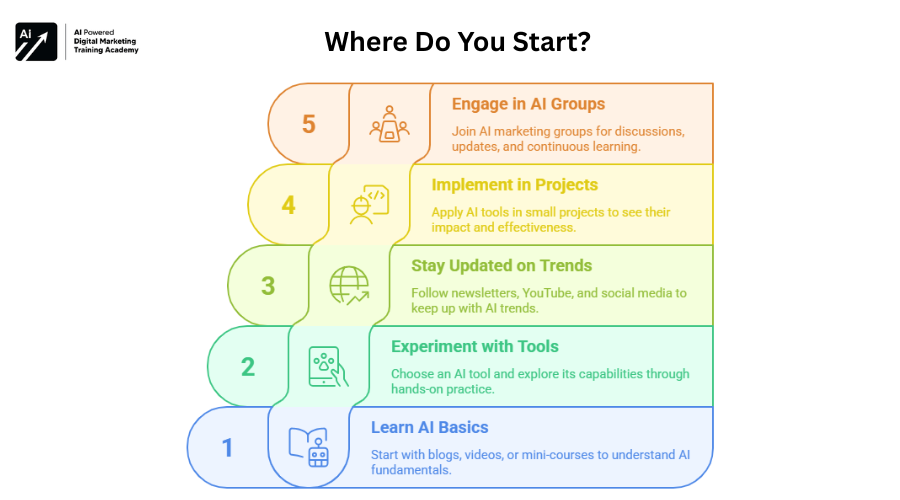
If you're a newbie at AI marketing, here's the expert's condensed roadmap to getting started:
This conversation with a marketing AI expert has uncovered the way that AI is no longer a fad AI is a requirement. From automating mundane tasks to making more intelligent, quicker, data-driven choices, AI is transforming the very nature of how we reach people.
However, marketers must not only adopt tools they must also evolve in their thinking, skills, and ethics. AI can amplify your efforts, but human creativity, emotional intelligence, and ethical judgment are what make great marketing truly powerful.

{{AUTHOR}}
A California-based travel writer, lover of food, oceans, and nature.